
Bluepine runs on data with a team of two
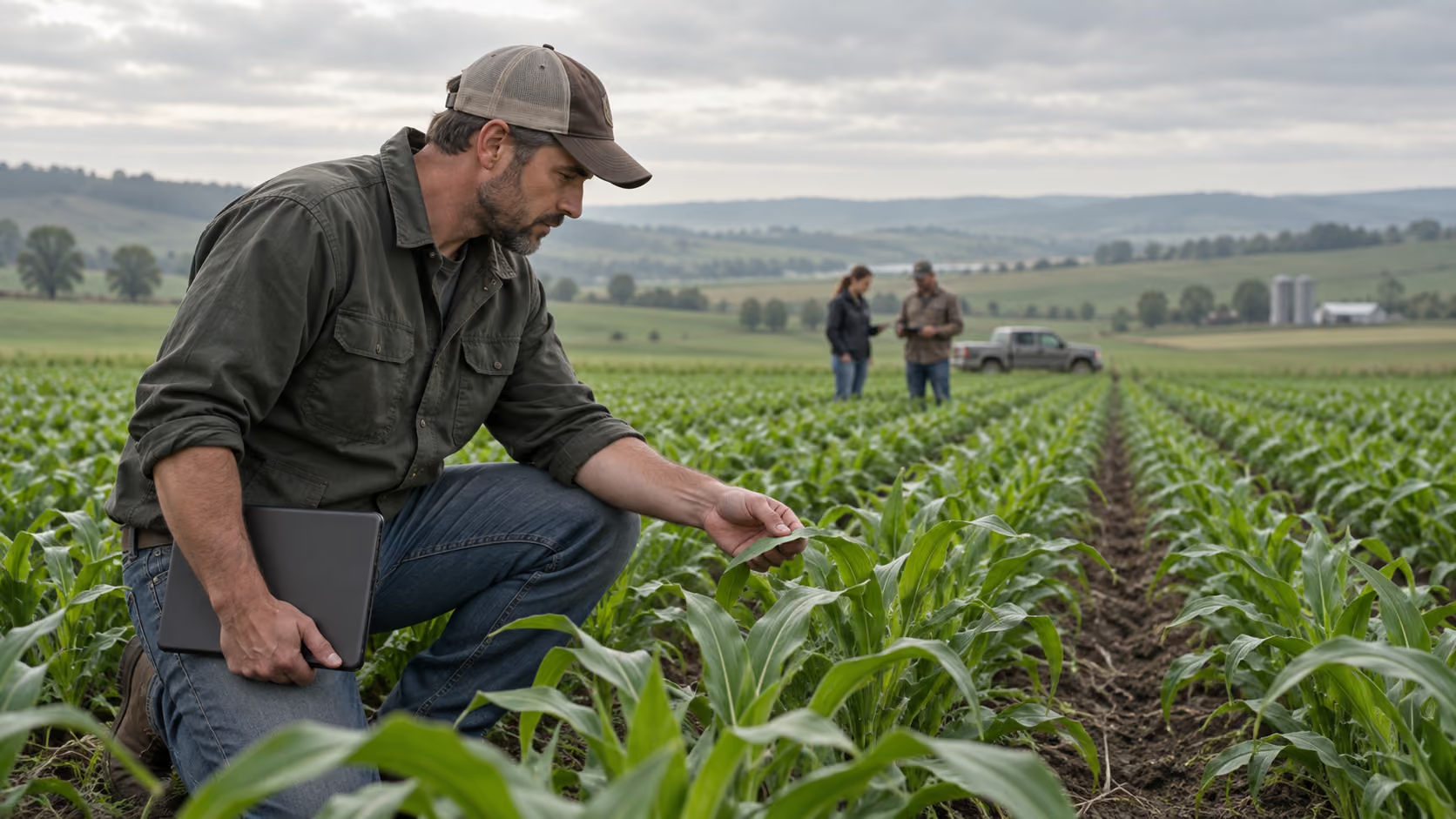
A small team with a large surface area
Bluepine manages an agriculture operation where weather, field conditions, input costs, inventory, and customer commitments all influence the plan. The company had valuable data across the business, but only two people were responsible for making it usable.
They were spending too much time checking files, answering one-off questions, and explaining why two versions of a number differed. Every new planning request competed with the work required to keep the existing reporting alive.
Start with the decisions
DataWatch helped Bluepine map the decisions that mattered most across the season: where to allocate resources, when to adjust a plan, which commitments were at risk, and how to explain a change to the wider team.
Instead of beginning with a large platform build, the team chose a small set of durable inputs and made their limitations visible. Each source had an owner, a refresh expectation, and a clear rule for what happened when the data was late or incomplete.
Make quality visible
The new workflow introduced checks at the point where they were most useful. Missing fields, unexpected shifts, and stale inputs were surfaced before they reached the weekly planning view, so the data team could correct the issue without forcing the entire business to pause.
Bluepine also gained a shared vocabulary for confidence. A number could be ready for a decision, useful as a directional signal, or waiting for validation. That language helped the organization move quickly without pretending that uncertainty had disappeared.
More planning, less preparation
With the core workflow in place, Bluepine made planning cycles 3.6 times faster while keeping the data operation in the hands of two people. The improvement came from reducing repeated preparation, not from asking the small team to work longer hours.
Leaders could see what had changed since the previous plan, which assumptions were driving the difference, and where a decision needed human judgment. The data team could spend its time improving the system rather than manually reassembling it.
A foundation that can grow carefully
Bluepine now adds new sources only when the team can define their purpose and maintain them. That discipline protects the company from building a larger version of the same fragmentation it started with.
The outcome is a data practice sized to the business rather than to an imagined future department: small enough to operate, clear enough to trust, and structured enough to grow when the next question arrives.